

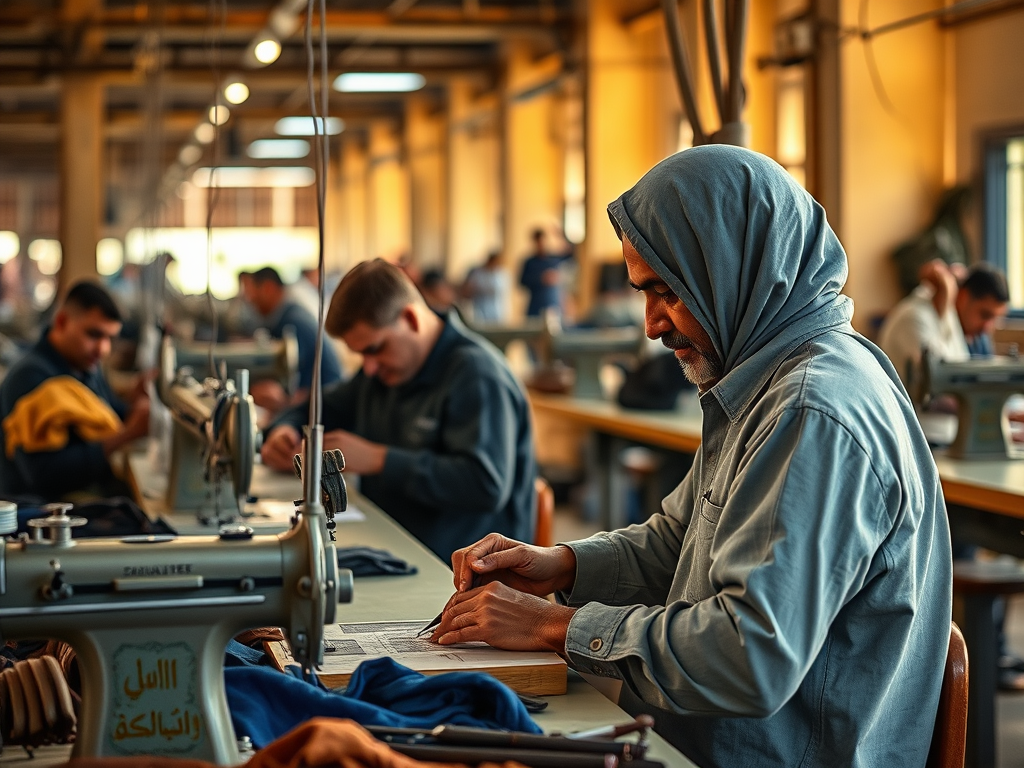
Sialkot isn’t just another dot on the Pakistan map — it’s one of the oldest and most legendary export manufacturing hubs on the planet.
Here’s the no-fluff timeline that actually matters if you’re buying sportswear or wholesale baseball uniforms:
1900s – British Colonial Era
British army officers discovered that local craftsmen in Sialkot could make better surgical instruments and leather goods than anyone back in England. By the 1920s, Sialkot was already exporting:
- Surgical tools to London hospitals
- Leather footballs and cricket balls
- Military uniforms and boots
This is when the culture of “make it perfect or don’t make it at all” started. Even today, many family-owned factories in Sialkot are 3rd or 4th generation.
1947 – Partition of India
When Pakistan was created, almost all of the skilled Hindu and Sikh craftsmen migrated to India — but the Muslim craftsmen who stayed rebuilt everything from scratch in months. That insane work ethic is still in the DNA here.
1960s–1980s – The Football Capital of the World
Sialkot made 70–80% of the world’s hand-stitched footballs.
- 1986 World Cup “Azteca” ball → Made in Sialkot
- 1990 World Cup “Etrusco” → Made in Sialkot
- Nike’s first-ever footballs in the 90s → secretly stitched in Sialkot homes
At its peak, over 40 million balls a year came out of this city of (then) barely 1 million people.
1990s – Shift to Sportswear & Gloves
After FIFA banned child labor in football stitching (1990s), the same families who mastered leather footballs pivoted to:
- Motorbike gloves (now 80% of the world’s top-brand gloves come from here: Alpinestars, Dainese, etc.)
- Martial arts uniforms
- Early sportswear for European catalogs
2000s–2010s – The Rise of Cheap Chinese Competition
China flooded the market with machine-stitched balls and low-quality activewear. Many old-school Sialkot factories either closed or started cutting corners to compete on price.
This is when the reputation of “Pakistani manufacturing” took a hit globally — because too many factories started acting like low-end Chinese suppliers instead of the premium craftsmen they used to be.
2020–2025 – The Renaissance (This is where Konaa Crafts comes in)
Younger founders (like me, born in the 90s) grew up watching our fathers and grandfathers make the best products in the world… then watched the race to the bottom destroy that reputation.
We said: “Screw that.”
Starting around 2020, a new wave of Sialkot factories decided:
- We’re going back to premium quality
- We’re investing in modern sublimation machines, CAD pattern software, GRS-certified fabrics
- We’re working directly with brands instead of middlemen
- We’re offering low MOQs and 15-day turnarounds — something the old giants still can’t do
Result? Established brands from Europe and the US who got burned by Chinese delays and Pakistani “old-school” factories are quietly switching to the new generation of Sialkot manufacturers.
We’re not the cheapest anymore. We’re the smartest.
Bottom Line
Sialkot has over 100 years of making the actual products that won World Cups, Tour de France stages, and UFC titles.
Most of that legacy got diluted in the 2000s–2010s.
But right now, in 2025, we’re in the middle of a manufacturing renaissance here — and brands that get in early with factories like Konaa Crafts are getting MLB-level baseball uniforms, buttery-soft gym wear, and perfect plus-size leggings… at prices that crush American or European manufacturers.
The history isn’t dead. It just got an upgrade.
If you want to see it for yourself, book a call and I’ll send you a factory walkthrough video filmed yesterday.
Let’s bring your brand into the next chapter of Sialkot’s story.